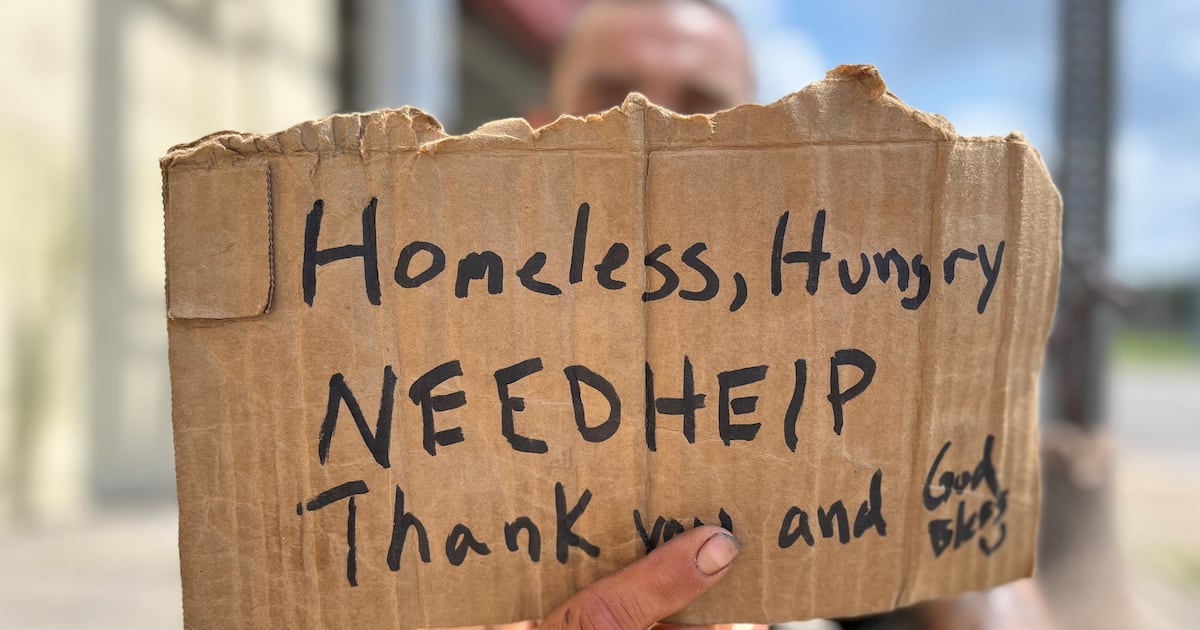
The alliance says the Dayton region potentially could lose more than 1,000 permanent housing beds, and local agencies likely will have to compete for a much larger share of funding than they did in the past.
HUD officials say the changes bring accountability to programs that have been ineffective at ending homelessness, while also promoting self-sufficiency among vulnerable Americans.
Jessica Jenkins, director of Montgomery County Human Services Planning & Development, said this significant shift in funding priorities jeopardizes millions of dollars for funding and projects.
“The changes could mean that formerly homeless households who have now found housing stability will be at risk again,” she said. “The changes also endanger projects that help currently homeless households resolve their housing crisis through housing and supportive services.”
HUD changes
In mid-November, HUD Secretary Scott Turner announced that the fiscal year 2025 Continuum of Care program’s notice of funding opportunity makes some big changes to the program.
Continuum of Care is the largest federal program that provides funding and resources to communities across the country to fight homelessness, advocacy groups say.
Turner said HUD will provide a lot more funding to transitional housing projects and supportive services, which he said are more effective at helping people in the long-term with self-sufficiency and recovery.
In a statement, HUD said in recent years nine in 10 dollars from the program went to “housing first” programs and projects that in effect were “endless government handouts” that do not solve the root causes of homelessness. HUD said root causes include drug use and mental illness, and ending government dependency is an important goal.
The Trump administration claims these will be the most significant policy reforms and changes in the program’s history. The program has about $3.9 billion to distribute.

Continuum of Care
The HUD Continuum of Care program is the largest single source of funding for housing and supportive services for people experiencing homelessness in the local community, said Jenkins, with Montgomery County Human Services Planning & Development.
The program’s fiscal year 2024 funding competition provided more than $16 million and other supports for 26 projects across Montgomery County, overseen by nine nonprofits and government organizations, Jenkins said.
HUD’s significant shift in funding criteria has the potential to directly impact more than half of current housing projects supported with Continuum of Care dollars, she said.
The notice of funding opportunity requires local agencies to compete locally and nationally for 70% of available funding, Jenkins said. In the last fiscal year, agencies only had to compete for about 10% of the available dollars.
The federal notice also says that only about 30% of available project funding can be used for permanent housing beds.
Most of the federal funding is expected to be repurposed to support shorter-term transitional housing with conditional work or treatment requirements, says a post by the National Association of Counties.
Nearly 90% of the local funding awards in the last fiscal year were for permanent housing projects, which provide housing for more than 1,300 residents in the county, Jenkins said.
Ohio impact
Amy Riegel, executive director of the Coalition on Homelessness and Housing in Ohio, said the programs HUD is targeting help get unsheltered people into homes with treatment supports for mental health and addiction issues.
“Defunding these programs will force many of them to shut down, leaving their residents with few options but to return to the streets,” said Riegel, who lives in Dayton.
About 69% of permanent housing beds in Ohio are funded by the Continuum of Care program, the National Alliance to End Homelessness said. Ohio has a higher share of beds funded through this program than all but one other state (Louisiana, 75%).
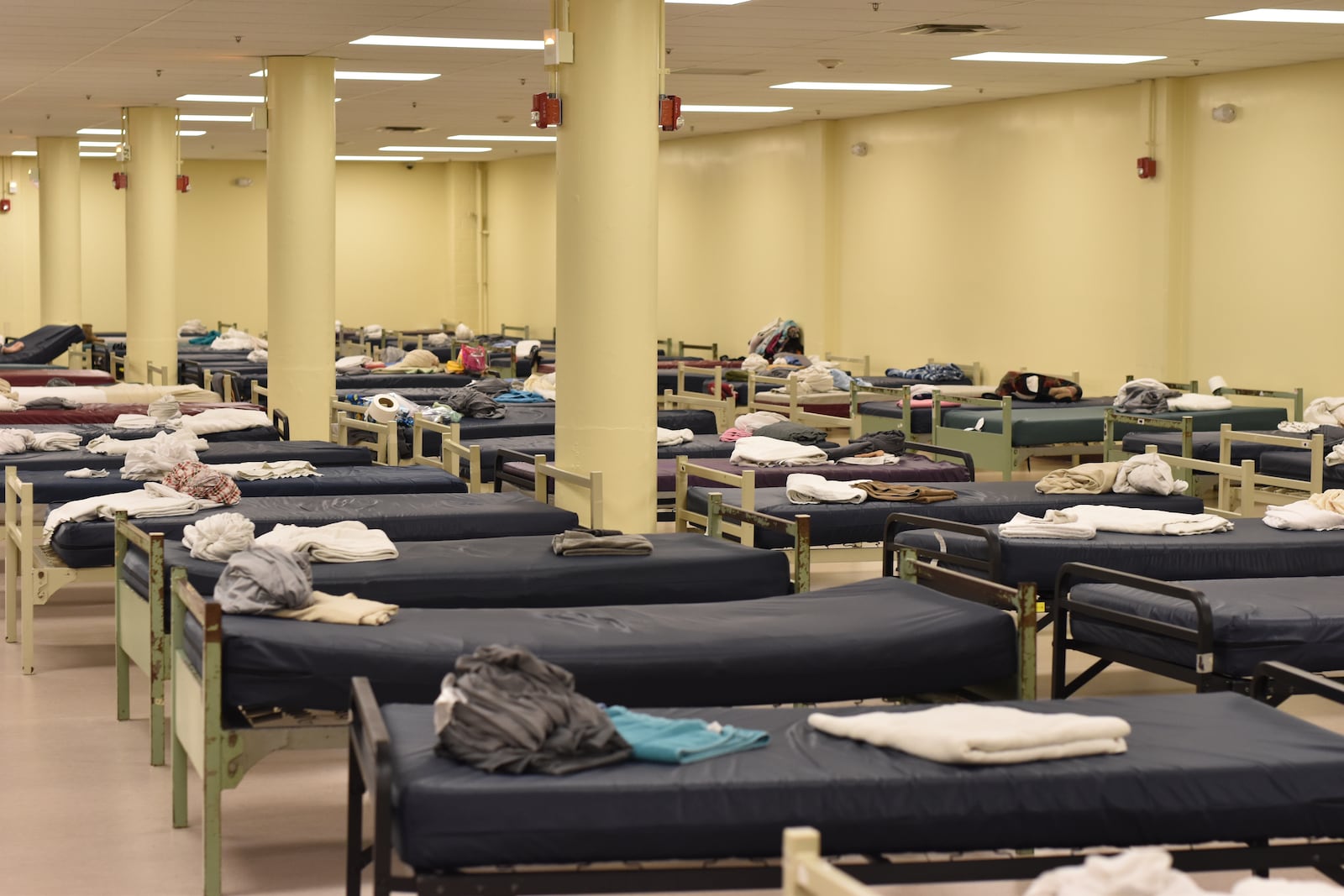
About 80% of permanent supportive housing beds and 62% of rapid recovery beds in the Dayton region are funded through the Continuum of Care program.
Permanent supportive housing is long-term, community-based housing, which includes supportive services for homeless people, says the Ohio Department of Behavioral health. Rapid rehousing provides short-term, tenant-based rental assistance and services.
Transitional housing is supposed to be an intermediate step to permanent housing that has time limits.
Late last month, 19 attorneys general and two governors from across the nation sued the Trump administration over HUD’s changes, claiming the policies and new conditions are illegal and violate Congress’ constitutional power to control spending.
In late October, U.S. Rep. Mike Turner, R-Dayton, and 21 other lawmakers sent a letter to HUD urging the agency to renew the Continuum of Care grants for one additional year to prevent service disruptions.
The letter says the lawmakers support modernizing the program and improving performance metrics, but substantial changes to the competitive process and funding priorities should be done carefully to avoid hurting programs that serve vulnerable community members.
https://connect.facebook.net/en_US/sdk.js#xfbml=1&version=v6.0
Source link