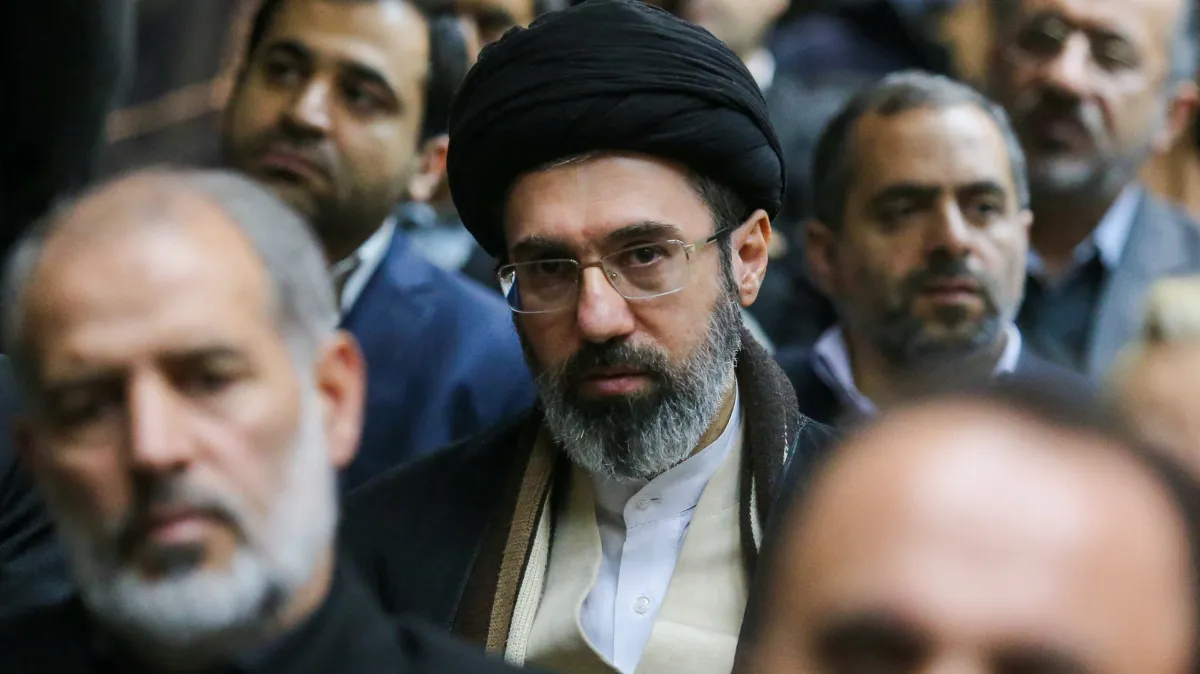
Iran’s new supreme leader, Mojtaba Khamenei, is incapacitated and receiving medical treatment in the holy city of Qom, according to an intelligence assessment which suggests he is not capable of running the country.
A diplomatic memo understood to be based on American and Israeli intelligence and shared with Gulf allies suggests that Khamenei, the son of the killed long-time leader Ali Khamenei, is unconscious and being treated for a “severe” medical condition.
The memo, seen by The Times, reveals the supreme leader’s location for the first time. The central city, 87 miles south of Tehran, is considered sacred in Shia Islam.
“Mojtaba Khamenei is being treated in Qom in a severe condition, unable to be involved in any decision making by the regime,” it reads.
According to the memo, the elder Khamenei’s body is being prepared for burial in Qom, the seat of Shia clerical power, known as the religious capital of the country.
It states that intelligence agencies identified the preparation of “laying the groundworks needed to build a large mausoleum in Qom” for “more than one grave”, suggesting that other family members — and possibly Mojtaba himself — could be buried alongside the late supreme leader.
Information on the younger Khamenei’s location is thought to have been known by US and Israeli spy agencies for some time but has not previously been made public.
The US National Security Agency, which is responsible for processing global intelligence on behalf of the Department of War, has been contacted about the memo, as has Iran’s representation in Washington, which is based at the Pakistani embassy.
Iran has confirmed that the new supreme leader was wounded in the same airstrike that killed his father, his mother, his wife Zahra Haddad-Adel, and one of his sons on the first day of the war that has since inflamed the region.
The younger Khamenei has not been seen nor heard from since the start of the war, despite being chosen to succeed his father in early March.
Since then, two statements attributed to Khamenei, 56, have been read on Iranian state television. An AI-produced video of the leader walking into a war room and analysing a map of Israel’s nuclear power plant in Dimona was released by the channel on Monday. The lack of a recording of his voice adds weight to unverified reports that he remains in a critical condition.
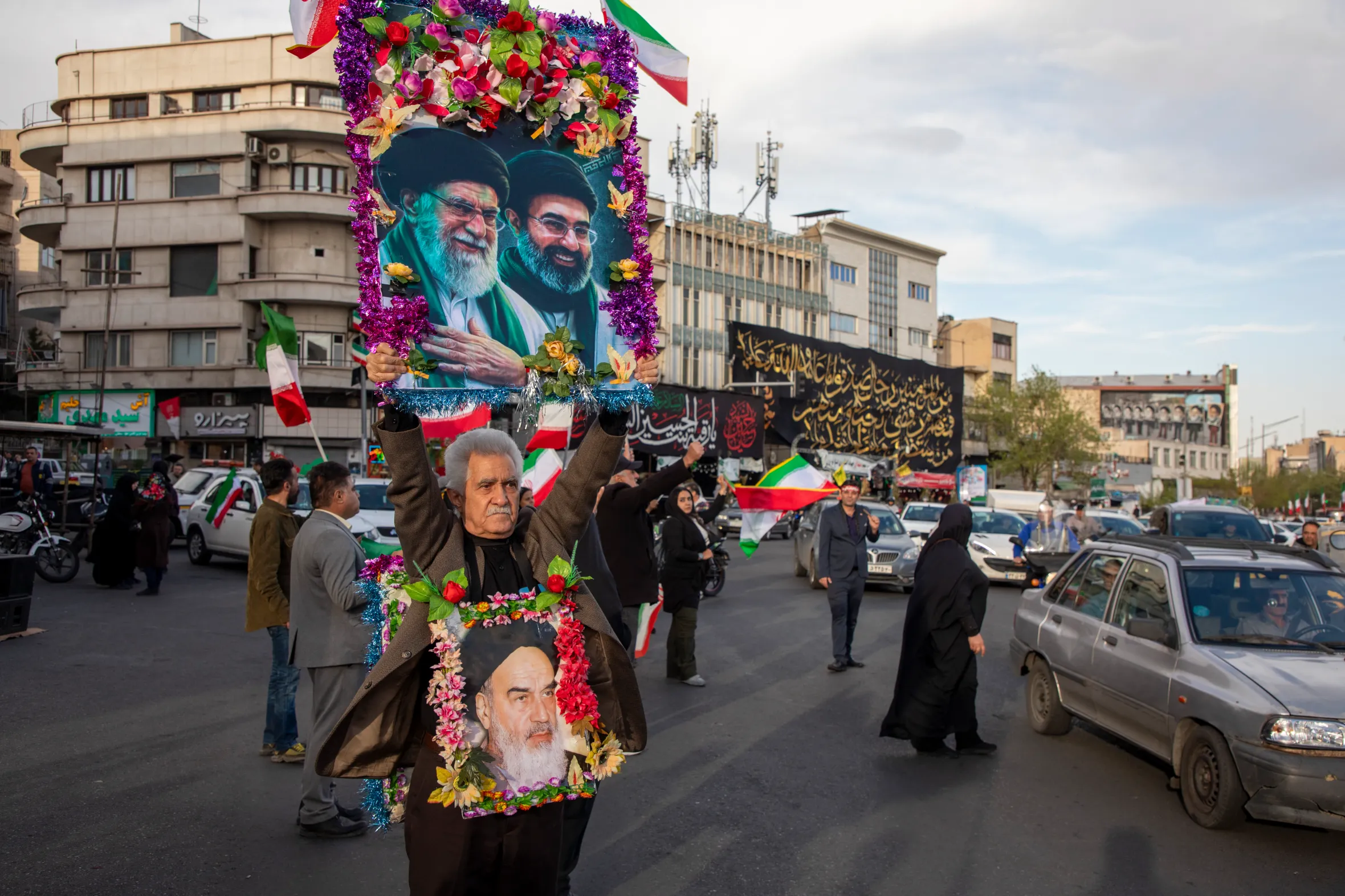
While Iranian officials have insisted that the new supreme leader is “in charge” of the country, previous reports have alluded to Khamenei’s medical condition. Opposition groups have claimed he is being treated in a coma in hospital, while others have suggested he suffered a broken leg and facial injuries.
His reported incapacity has called into doubt Khamenei’s status in a country where the supreme leader is the absolute political and religious authority. It could prompt speculation that the Islamic Revolutionary Guard Corps (IRGC) retain de facto control of the country and that Khamenei is a silent puppet or figurehead.
President Trump has claimed to be negotiating with other Iranian officials but explicitly said he was not dealing with the supreme leader.
Iranian state news agencies had reported that Ali Khamenei, who was 86, would be buried in a Shia shrine in his home city of Mashhad, in northeast Iran, which is also a site of pilgrimage. Reports suggested that a public ceremony to mourn the dead leader would take place in Tehran, although no date was announced.
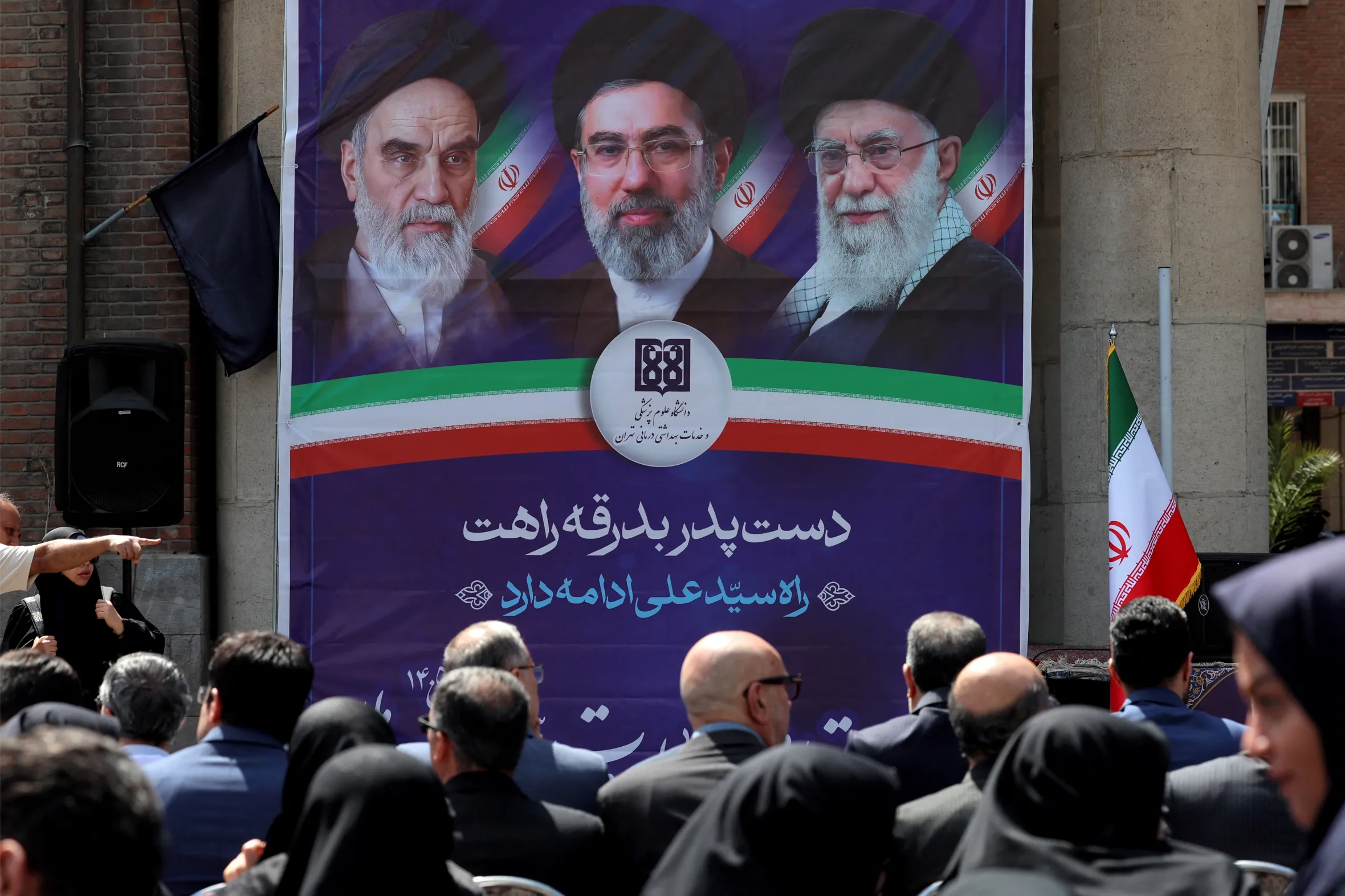
While the Iranian government said that a state funeral for the elder Khamenei had been postponed because of “anticipation of unprecedented turnout”, questions over the delay have arisen, given the Shia tradition to bury the dead immediately after their passing. Wednesday will mark 40 days since Khamenei’s death on February 28, which would mark the end of the traditional mourning period in Shia Islam.
It was not clear whether Qom could be a temporary resting place for the late leader given the security concerns that Israel or the US could target any public ceremony or funeral.
In any case Ali Khamenei’s funeral is likely be in stark contrast to the burial of his predecessor and revolution leader Ayatollah Ruhollah Khomeini, in a large mausoleum complex in southern Tehran. About 10 million people gathered for Khomeini’s funeral after his death in 1989. His shroud was ripped and his body fell as crowds surged around his airlifted bier.
The memo stated that Iranian officials would seek to avoid a similar disaster at the burial of the elder Khamenei, where civilians could attempt to disturb the ceremony or vandalise graves.
Just before the war broke out, the IRGC clashed with fighters from the Mojahedin-e-Khalq after the group attempted an armed takeover of the Motahari Complex, which housed Khamenei’s headquarters as well as other institutional pillars of the regime, including the guardian council, assembly of experts and office and residence of Mojtaba.