Key Takeaways
- Chia seeds help stabilize blood sugar because they have high fiber and protein content.
- Eating chia seeds may slow digestion, preventing blood sugar spikes.
- Soaking chia seeds in liquid can help you absorb their nutrients better.
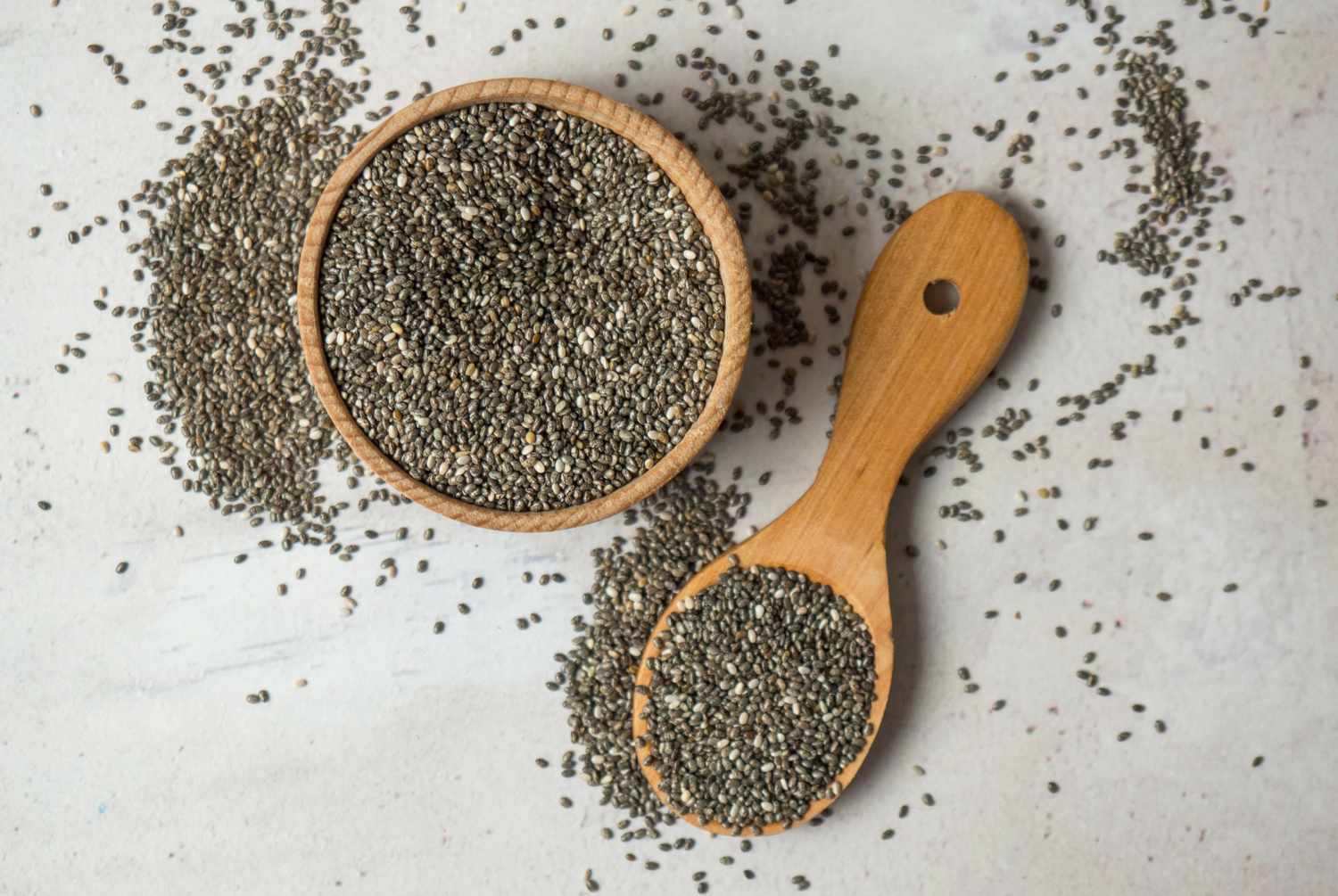
Chia seeds are tiny, edible seeds that pack a nutritional punch, helping to support stable blood sugar levels thanks to their high fiber and protein content.
How Chia Seeds Stabilize Blood Sugar
Chia seeds check all the boxes for blood sugar balance, said Vanessa King, RDN, a registered dietitian nutritionist and spokesperson for the Academy of Nutrition and Dietetics.
They’re packed with fiber, protein, and healthy fats, all of which are nutrients that help maintain stable blood sugar levels.
“The fiber in chia is mostly insoluble and absorbs a large amount of water, similar to psyllium husk,” King said. “That gel-like texture slows how quickly sugar is absorbed.”
Both protein and fiber in foods help to slow the digestive process and help you stay full longer, said Dara Ford, PhD, RD, program director of the Master of Science in Nutrition Education at American University.
“The slowing of digestion means that carbohydrates from the seeds are released into the bloodstream more slowly, which helps to prevent any spike in blood glucose,” she said.
Can Chia Seeds Help Lower Blood Sugar Over Time?
Some studies show that chia seeds have little to no effect on blood sugar in the long run, while others indicate that regular consumption can lower post-meal blood glucose levels.
If you eat chia seeds regularly, be mindful of what you mix in with them. Sweeteners and certain milks could cause blood sugar spikes.
“If chia seeds are eaten with simple carbohydrates, such as those found in honey or sugar, there will be an increase in blood sugar because of the sugar in the food,” Ford said. ”
However, the chia seeds blunt the response compared to if the sugar source were consumed alone.
Do They Have Other Health Benefits?
Beyond fiber and protein, chia seeds contain nutrients, vitamins, and minerals, including calcium, magnesium, potassium, vitamins A, D, E, K, B, and plant-based omega-3 essential fatty acids.
“While omega-3 fatty acids may not directly impact blood glucose levels, they are a heart-healthy fat that many of us should aim to consume more of,” Ford noted.
Chia seeds are also naturally gluten-free, and they contain plenty of antioxidants.
King said that omega-3s and antioxidants help reduce inflammation and the risk of chronic diseases, such as diabetes.
Tips to Get the Most Out of Chia Seeds
Because chia seeds have a tough, fibrous exterior, breaking them down somehow can help you better access and absorb the nutrients inside.
King said you can do this by soaking them in water, milk, yogurt, or kefir to create a pudding that makes their nutrients more available, or you can also grind them into a powder.
Without soaking them first, they can also cause digestive issues as they absorb water from the body. Eating them dry can also be a choking hazard.